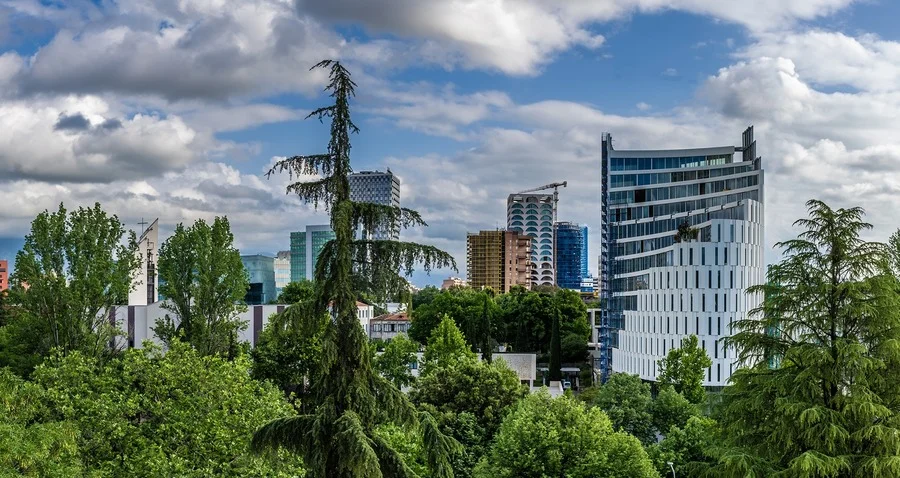
The Albania startup ecosystem is rapidly finding its stride, fostering a new generation of entrepreneurs. Young founders are actively building products destined for a global market. This burgeoning scene, found in Tirana’s co-working spaces and university labs, demands greater international recognition.
Albania boasts stronger fundamentals than often perceived. For example, it features a youthful, tech-literate population. Furthermore, competitive operational costs and a growing desire among younger generations to build companies, rather than merely seek employment, drive this trend. English proficiency is notably high among those under 35. Therefore, a visible appetite for entrepreneurship exists.
Evidence of this includes a rising number of hackathons and coding academies. Moreover, university entrepreneurship programs are producing founders who no longer view Tirana as a temporary stop before moving abroad. This shift marks a significant change in local ambition and outlook.
Increased exposure has been a crucial development in recent years. Albanian founders are no longer developing in isolation. Accelerator programs have begun introducing structured mentorship, vital investor access, and international standards into the local market. As a result, tangible outcomes are becoming apparent.
Global investors evaluating Albanian companies frequently observe no shortage of talent or ambition. Instead, the consistent finding is a lack of prior exposure to international capital flows and customer dynamics. This gap, however, closes quickly once founders engage in real interactions with experienced international players.
Nevertheless, genuine gaps persist and need clear acknowledgement. Early-stage capital remains the single largest constraint. Albania still has considerably fewer active angel investors and venture funds compared to its regional neighbors. Furthermore, a visibility problem exists in both directions: good Albanian companies often lack broad recognition, and international investors rarely consider Albania initially.
These challenges are not unique to Albania, nor are they insurmountable. Bridging these gaps requires more than single policies. Repeated, structured contact between local founders and the global ecosystem is essential. Committed international investors and corporates acting as customers or partners are also vital. Mentors who have navigated the startup journey themselves offer invaluable guidance.
Ecosystems mature through deal flow, follow-on funding, and successful founders inspiring the next generation. Events like regional startup expos play a crucial role in this process. Their true value lies in effective matchmaking, not just keynote speeches. These platforms connect founders with understanding investors, facilitate corporate scouting, and allow policymakers to hear directly from innovators about systemic issues.
No single event can grow an ecosystem alone. However, a well-executed event compresses years of accidental networking into a few focused days. This compression is particularly critical in a market where capital and attention remain scarce. The path forward for the Albania startup ecosystem to move from promising to proven is clear: more early-stage capital and deliberate connections between local ambition and global expertise. The talent is already present; it now needs the financial and relational infrastructure to flourish. Albania’s unique startup story is actively being written by its founders who choose to build locally.