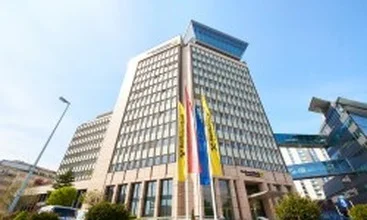
Austrian authorities have launched a comprehensive Meinl Bank investigation, targeting former executives over alleged financial misconduct. This wide-ranging probe focuses on the bank’s bankruptcy. Prosecutors from the Public Prosecutor’s Office for Economic Affairs and Corruption (WKStA) are leading the effort. They are pursuing charges against twelve former senior figures, including Julius Lindbergh Meinl V, formerly the chairman of the supervisory board. Peter Weinzierl, the bank’s former CEO, also faces accusations. These individuals face charges of breach of trust, embezzlement, and fraudulent bankruptcy. Official estimates place the total alleged damages at approximately 150 million euros.
Meinl Bank underwent a name change to Anglo Austrian Bank (AAB) in 2019. However, it lost its banking license that very same year. The institution subsequently declared bankruptcy in 2020. Following this collapse, meticulous investigations began. The bankruptcy trustee, Georg Freimüller, and attorney Richard Soyer unearthed concrete evidence. This evidence pointed to suspicious financial flows in the years directly preceding the bank’s failure.
The allegations are quite serious. Former executives reportedly depleted the bank’s assets deliberately. They are accused of misappropriating funds, thereby removing them from creditors’ reach. For example, around 26 million euros allegedly went to Julius L. Meinl or his associated consulting firms. No corresponding services or goods were reportedly received for these payments. In addition, private jet travel expenses were allegedly covered without proper business justification. Furthermore, company shares in the bank’s profitable coffee business were reportedly sold significantly below their actual value, by an estimated 23 million euros. Economically unjustifiable loans and overdrafts were also purportedly granted to foreign companies linked to the bank.
Meanwhile, another 80 million euros in assets and securities were allegedly embezzled. These funds originated from Meinl Bank Antigua, a former subsidiary. Worthless or high-risk loan receivables were reportedly transferred to this subsidiary. This action potentially manipulated the bank’s balance sheet.
Julius Meinl, now residing in the Czech Republic, finds his personal assets under judicial scrutiny. Authorities suspect he transferred significant personal wealth, such as real estate and company shares. These transfers allegedly went to relatives or affiliated companies. This move might have shielded them from impending million-euro claims. Consequently, the Vienna Regional Criminal Court has already ordered the seizure of several properties. These include a luxury villa in Vienna’s Döbling district, reportedly transferred via a Czech company. A plot of land in Styria was also seized.
This extensive Meinl Bank investigation is grounded in a detailed 600-page expert report from a financial specialist. Austrian authorities are collaborating with the Federal Criminal Police Office (BKA). They are also working with foreign counterparts through mutual legal assistance requests. Many findings for the Vienna proceedings emerged from global corruption probes. Specifically, investigations into the Brazilian construction giant Odebrecht provided key information. Co-defendant Peter Weinzierl, the former CEO, is currently held in the U.S. He faces up to five years in prison for illegal transactions conducted through Meinl Bank structures. Weinzierl has confessed and is cooperating with U.S. authorities. However, all defendants remain innocent until a final conviction is handed down.