A series of significant October changes in Austria will reshape daily life for residents and businesses. Many of these updates come into effect on the first day of the month.
Among the most notable is a new parcel tax targeting large online retailers. Stronger consumer repair rights also take effect, alongside expanded healthcare provisions for families.
From October 1st, a new €2 ‘Paketsteuer’ will apply to parcels from major online retailers and marketplaces. This tax affects companies with Austrian distance-sales turnover exceeding €100 million in the previous year. While retailers are responsible for payment, consumers might see higher prices or delivery charges.
Meanwhile, transport rules are changing for certain electric two-wheelers. Specific L1e-B e-mopeds will now be classified as motor vehicles. Consequently, these vehicles will require registration, a number plate, and liability insurance. Riders must also hold an appropriate driving licence, wear a helmet, and can no longer use cycle paths.
Consumer rights are also significantly bolstered this month. New EU right-to-repair rules mean manufacturers of certain products must carry out repairs when possible, even outside statutory warranty. These repairs must be reasonably priced and completed promptly. Furthermore, online shops must provide a clear withdrawal button for customers canceling contracts.
Families benefit from an expanded Eltern-Kind-Pass preventive healthcare programme. This update adds extra consultations, including new health checks during pregnancy and additional midwife support. However, compulsory digital documentation is not required until October 2027.
Moreover, hospitality and bakery workers will see pay increases from October 1st. Minimum wages in the hotel and restaurant sector rise by around 3 percent. Apprentice pay also increases by approximately 3.44 percent.
Additionally, new rules make it easier to share self-generated electricity. Active customers can now share power through contractual arrangements, including peer-to-peer models. Meanwhile, compulsory German summer school expands to cover more pupils needing language support.
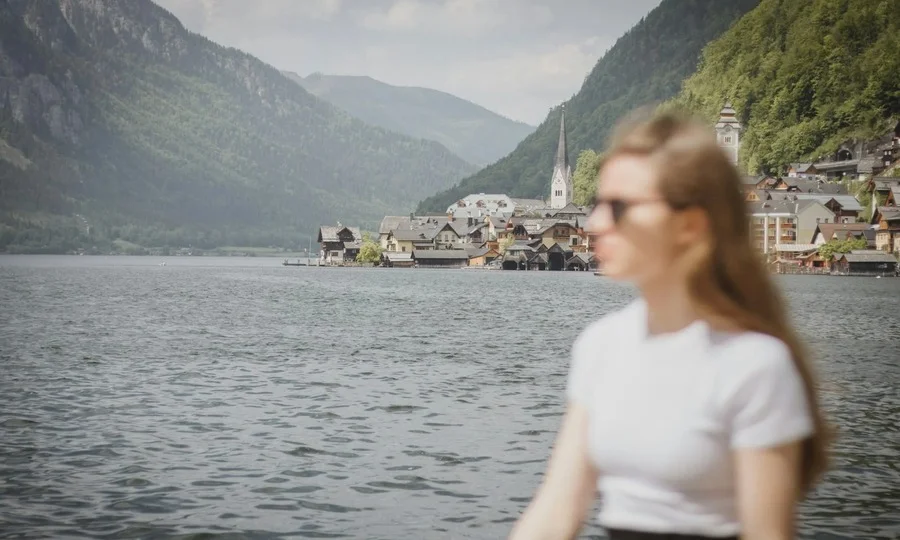
Some areas are also seeing tax adjustments. The tourist tax in Hallstatt and nearby Salzkammergut destinations rises from €3 to €4 per overnight stay. Other municipalities maintain their own rates.
Towards the end of October, Austria turns its clocks back on the 25th. This marks the end of daylight saving time. Finally, National Day on October 26th, a public holiday, combines with the autumn school holidays to create a long break for many families.